Before a power plant produces a kilowatt or a rail line carries a train, the project has to solve a more basic problem: where the people building it will live. On a remote site, or in a town too small to absorb several hundred new arrivals, accommodation is the first thing a major project has to build. When it is late, everything behind it is late.
The same term describes a second, growing need. In many cities and resort regions, the nurses, teachers, hospitality staff and public employees a community depends on can no longer afford to live near their work. Both problems come down to the same requirement: decent housing, delivered quickly, at a cost the sponsor can sustain.
What good workforce housing looks like
The old model was the labor camp: shared dormitories, shared everything, built to be endured. It is a poor fit for the workforce most projects now need. Skilled people have choices, and accommodation is one of the things they weigh.
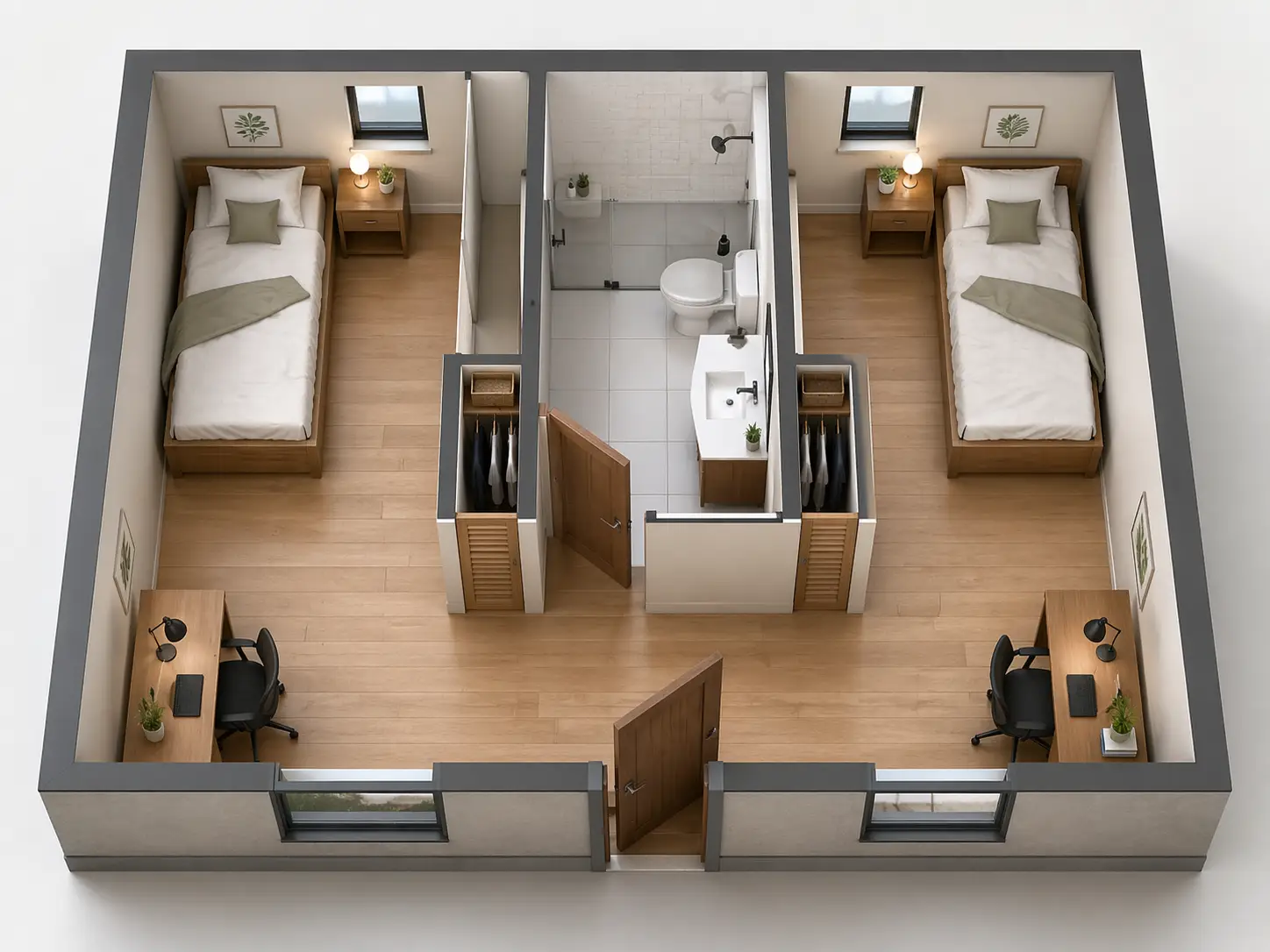
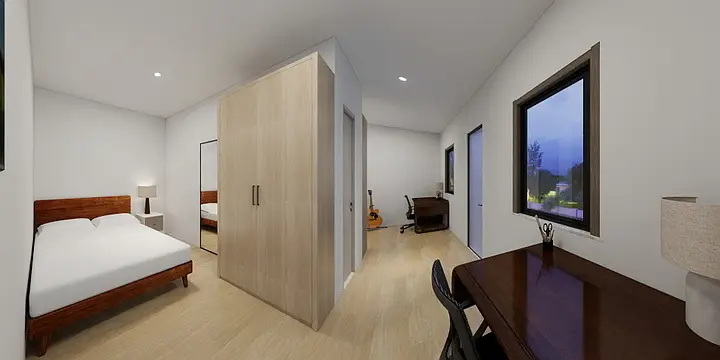
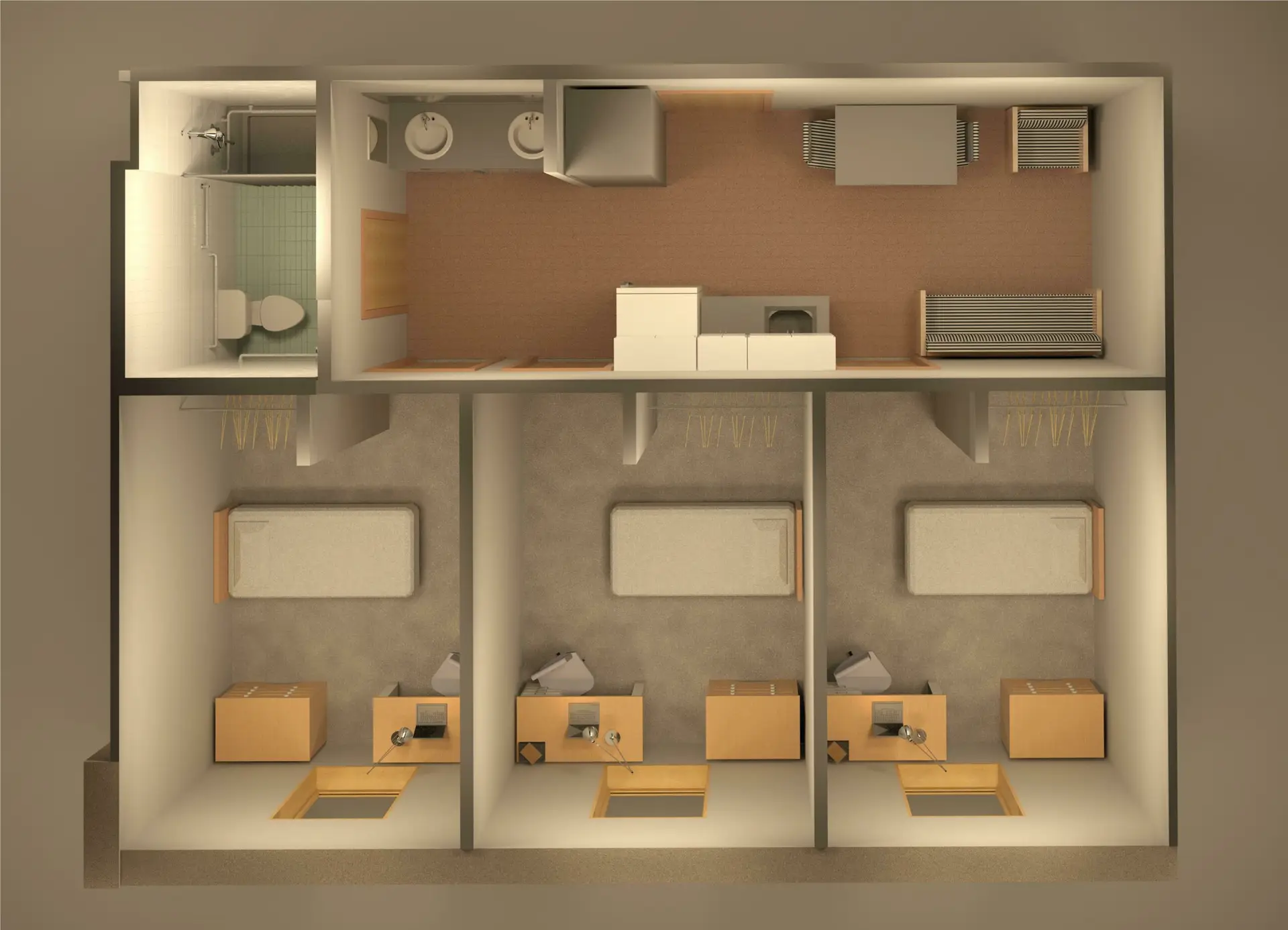
Current practice starts from the individual. Each worker has a private room with a proper bed, a desk and storage. Bathrooms are shared between two rooms, not twenty. Kitchens and living areas are grouped by unit, so a small number of people share a space they can keep as their own.
From units to a community
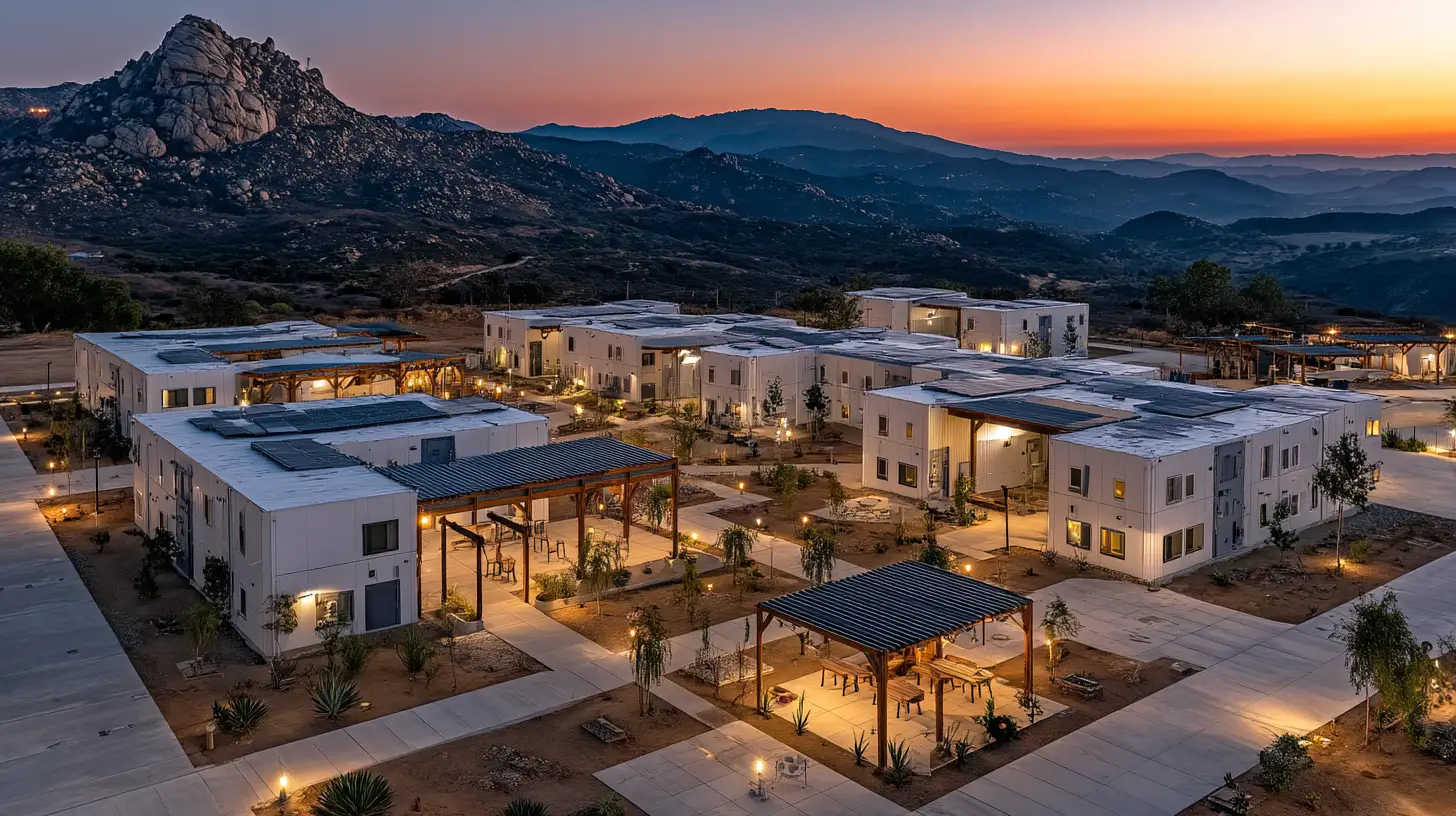
At the scale of a few hundred residents, the layout between the buildings matters as much as the rooms. Shaded walkways, shared courtyards, dining and recreation space, and lighting that makes the site feel safe at night are what separate a place people stay from a place people leave at the first opportunity. Retention is a cost line on every project, and housing is one of the few levers an owner controls directly.
Why factory-built fits
Workforce housing has an awkward place in the schedule. It is needed before the main works begin, which is exactly when the site has the least labor, the fewest materials and no accommodation for the crews who would build it conventionally.
- Speed. Units are manufactured while the site is being prepared, then installed on simple foundations.
- Small site crews. Installation needs far fewer people than conventional construction, so the housing does not depend on housing.
- Consistent quality. Every unit leaves the same production line to the same specification.
- Flexibility. Modular units can be added as the workforce peaks and reconfigured as it falls.
- Independence. Paired with solar, storage and water systems, a village can operate before utilities reach the site.
Mystic Homes, the housing division of Mystic Enterprises and a technology partner Oklahoma Ventures works with, builds steel-framed modular homes of this kind. We describe that product in a separate article.
Plan for what happens afterwards
Construction ends. A workforce village designed only for the build becomes a liability on the day the crews leave. One designed with its second life in mind becomes an asset: permanent housing for the operating staff, homes for the surrounding community, or accommodation for a clinic, school or public agency.
That decision has to be made at the start, because it changes the specification, the site plan and who should own the housing. For governments, it is often the difference between a project that leaves temporary buildings behind and one that leaves a neighborhood.
Where Oklahoma Ventures fits
Workforce housing sits between disciplines. It is part of the construction plan, part of the logistics plan and, if it is to have a second life, part of the community plan. As developer and integrator, Oklahoma Ventures treats it as its own workstream: sizing it to the workforce curve, securing the site and approvals, selecting the housing and utility partners, managing shipping and installation, and agreeing with the owner or government what the village becomes when the project is complete.
If you are planning a project where accommodation is on the critical path, or a housing program for the people your community relies on, we would be glad to talk it through.
More on our housing work · Discuss a project
Mystic Enterprises is an independent company. References to partners do not imply agency or joint venture unless stated in a written agreement. Images are illustrative concept renderings and do not show completed Oklahoma Ventures projects.